160 Facts About Canada for Canada’s 160th Birthday
Canada turns 160 in 2027, and there’s no better excuse to dig into the history, geography, culture, and quirks that make this country what it is. Whether you grew up here, just landed, or are still dreaming about the move, these facts are a fun way to get to know Canada a little better.
History and Confederation
- Canada became a country on July 1, 1867, when the British North America Act joined the Province of Canada, Nova Scotia, and New Brunswick into one Dominion.
- Canada didn’t get its own official flag until February 15, 1965, nearly a century after Confederation.
- Before 1965, Canada flew the Red Ensign, a flag that included the Union Jack.
- John Cabot is credited as the first European explorer to reach Canada’s shores, landing in 1497 aboard a ship called the Matthew.
- Norse explorers settled on the east coast around 1000 AD, long before Cabot. The site at L’Anse aux Meadows in Newfoundland proves it.
- Tools found near the Bluefish River in northern Yukon suggest human presence in Canada going back roughly 20,000 years.
- Henry Hudson sailed into what’s now Hudson Bay in 1610, and both the bay and strait are named after him.
- Norwegian explorer Roald Amundsen was the first to successfully navigate the Northwest Passage, completing the journey in 1906.
- Canada was invaded by American forces twice, in 1775 and again in 1812.
- During the War of 1812, British and Canadian forces burned down the White House in Washington, D.C.
- Confederation in 1867 originally included just four provinces: Ontario, Quebec, Nova Scotia, and New Brunswick.
- Newfoundland was the last province to join Canada, holding out until 1949.
- Nunavut is Canada’s newest territory, created in 1999 when it split from the Northwest Territories.
- Canada has had the same reigning family as its Head of State since Confederation, under the British monarchy.
- Canada’s motto, “A Mari Usque ad Mare,” translates to “From Sea to Sea.”
Geography and Natural Wonders
- Canada is the second largest country in the world by land area, trailing only Russia.
- Canada is bigger than the entire European Union combined.
- The country spans six time zones from coast to coast.
- Canada has the longest coastline of any country on Earth, touching the Atlantic, Pacific, and Arctic Oceans.
- The Trans-Canada Highway is one of the longest national highways in the world, stretching well over 7,000 kilometres.
- Roughly 20 percent of the world’s freshwater is located in Canada.
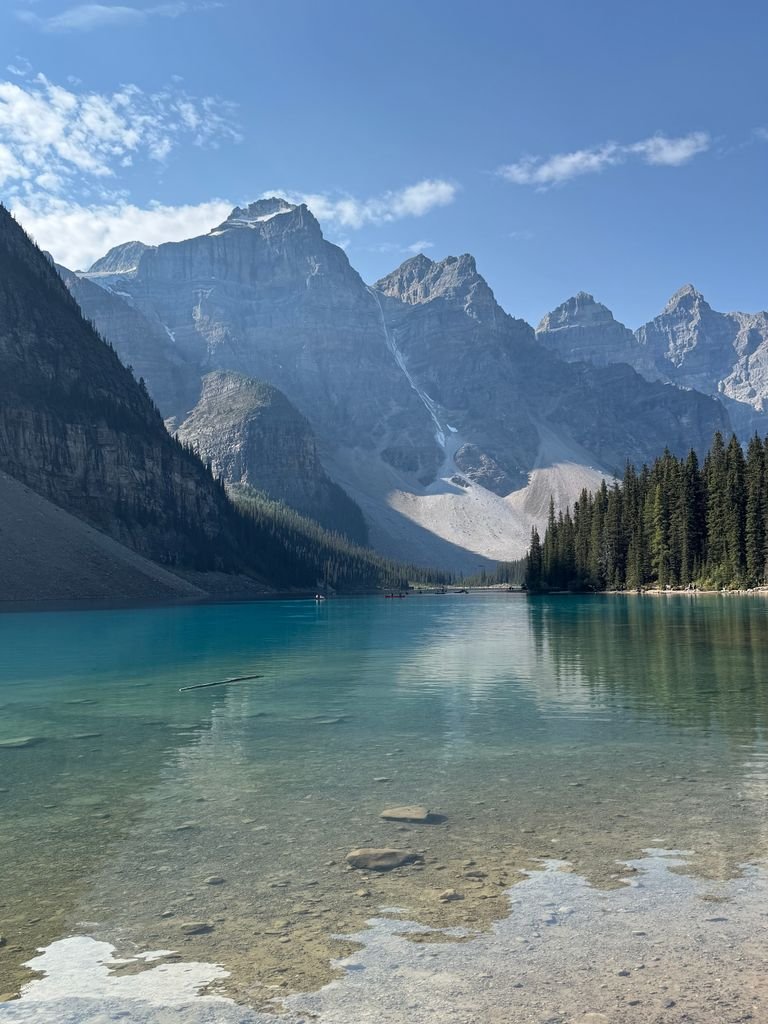
- Canada has more lakes than any other country, home to more than half of all the lakes on the planet.
- Great Bear Lake and Great Slave Lake, both in the Northwest Territories, rank among the ten largest lakes in the world.
- Manitoulin Island in Ontario is the largest freshwater island on Earth.
- The Bay of Fundy, between Nova Scotia and New Brunswick, has the highest tides in the world.
- Canada holds some of the largest proven oil reserves on the planet, concentrated mostly in Alberta’s oil sands.
- Canada is one of the world’s top producers of uranium, mined largely in Saskatchewan.
- The St. Elias Mountains in Yukon are home to the largest non-polar ice field in North America.
- Mount Logan, also in Yukon, is Canada’s tallest peak at nearly 6,000 metres.
- Roughly half of Canada’s landmass is covered by forest, accounting for about 10 percent of the world’s total forest cover.
- The Canadian Shield contains some of the oldest exposed rock formations on Earth, dated at over 4 billion years old.
- Alert, Nunavut, is the northernmost permanently inhabited settlement in the world.
- Della Falls in British Columbia is Canada’s tallest waterfall.
- Canada shares the longest demilitarized border in the world with the United States.
- Canada is home to three of the world’s largest islands: Baffin Island, Victoria Island, and Ellesmere Island.
- The country’s border with Alaska alone stretches over 2,400 kilometres.
- Canada holds roughly 9 percent of the world’s renewable freshwater supply.
- Wasaga Beach in Ontario claims the title of the world’s longest freshwater beach.
- Parts of the Hudson Bay region actually experience slightly weaker gravity than the rest of the planet.
- Cesium, a rare element, is mined at Bernic Lake in Manitoba, one of the largest sources in the world.
Cities, Provinces, and Territories
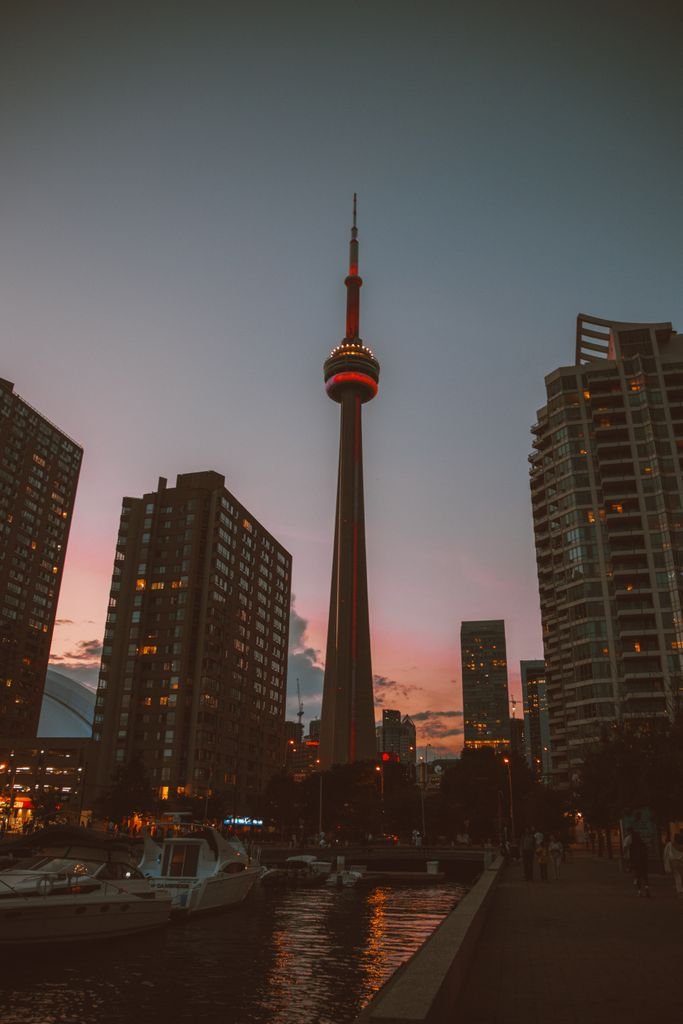
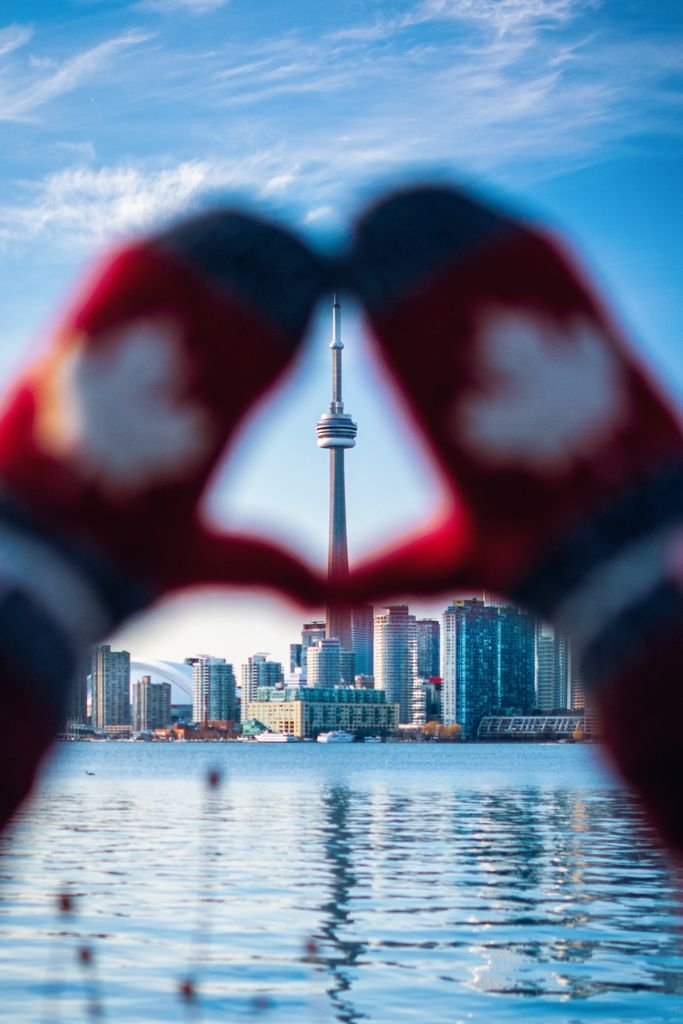
- Toronto is Canada’s largest city and consistently ranks among the most multicultural cities in the world.
- Toronto’s Yonge Street is often cited as one of the longest streets on Earth.
- Montreal is the second largest French-speaking city in the world, after Paris.
- Ottawa, Canada’s capital, is one of the coldest national capitals on Earth, second only to Moscow.
- The Rideau Canal in Ottawa transforms into the world’s largest naturally frozen skating rink every winter.
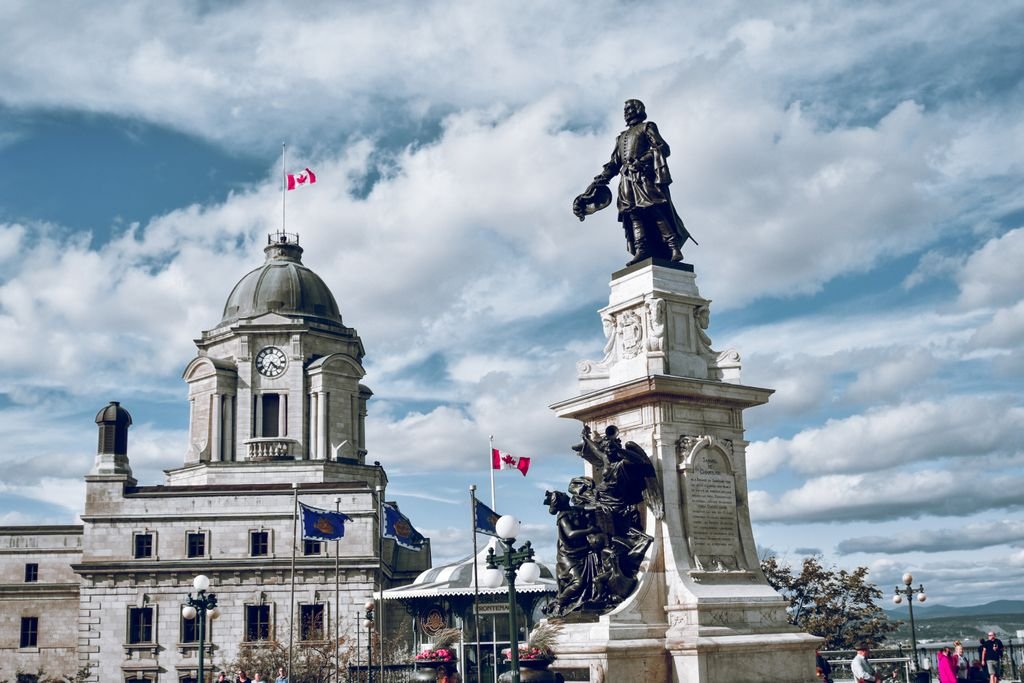
- Old Quebec is the only walled city north of Mexico and was among the first sites in North America named a UNESCO World Heritage Site.
- West Edmonton Mall was, for decades, the largest shopping mall in North America.
- Winnipeg is regularly ranked as one of the coldest major cities in Canada.
- The intersection of Portage and Main in Winnipeg has a reputation as one of the windiest corners in the country.
- Calgary hosts the Calgary Stampede every summer, billed as the greatest outdoor show on Earth.
- Calgary is known for Chinooks, warm winds that can raise the temperature by double digits in a matter of minutes.
- Canada has ten provinces and three territories.
- Quebec is the only province where French is the sole official language.
- New Brunswick is Canada’s only officially bilingual province.
- Nunavut, despite being Canada’s newest territory, takes up roughly one-fifth of the country’s total land area.
- Prince Edward Island is Canada’s smallest province, famous for its red sandy beaches.
- Saskatchewan is one of the only places in North America that doesn’t observe daylight saving time.
- The Northwest Territories are sometimes called the Land of the Midnight Sun because the sun barely sets there in summer.
- The Diavik mine in the Northwest Territories has produced some of the largest diamonds ever found in Canada.
- Six Canadian cities have populations over one million: Toronto, Montreal, Vancouver, Calgary, Edmonton, and Ottawa.
Weather and Climate
- The lowest temperature ever recorded in Canada was minus 63 degrees Celsius, recorded in Snag, Yukon, in 1947.
- The most severe tornado in Canadian history struck Regina, Saskatchewan, in 1912.
- The Fort McMurray wildfire of 2016 remains one of the costliest natural disasters in Canadian history.
- Ocean Falls, British Columbia, sees rain on the majority of days each year.
- Estevan, Saskatchewan, is often cited as the sunniest city in the country.
- Temperatures in southern Alberta can swing dramatically within hours thanks to Chinook winds.
- Canada’s climate ranges from Arctic tundra in the north to temperate rainforest on the west coast.
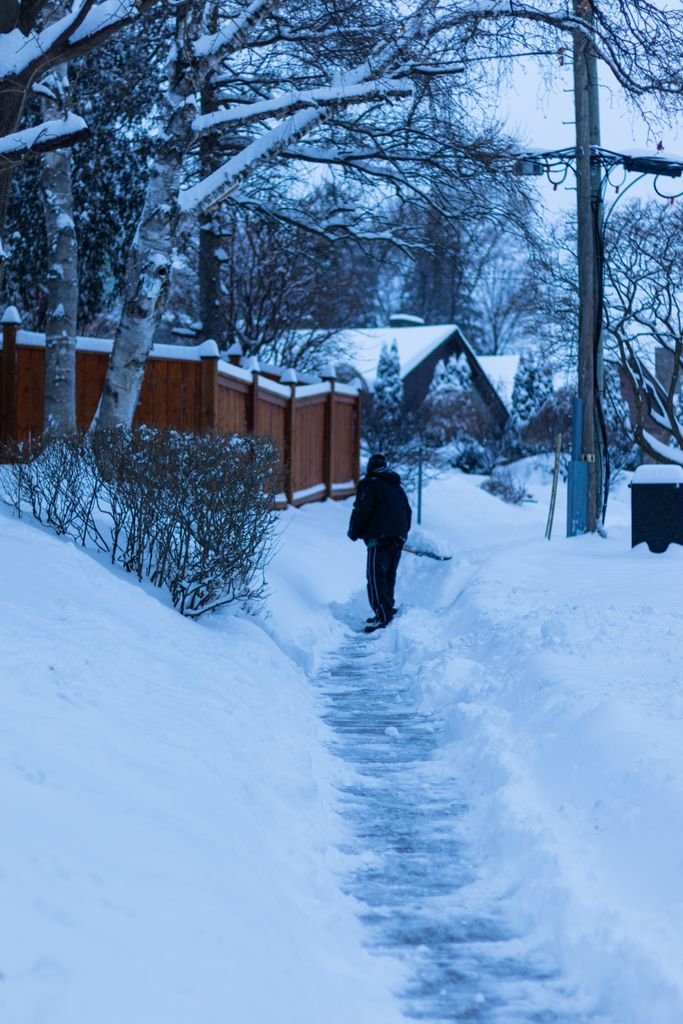
- Winters in the Prairies and the North can regularly dip below minus 30 degrees Celsius.
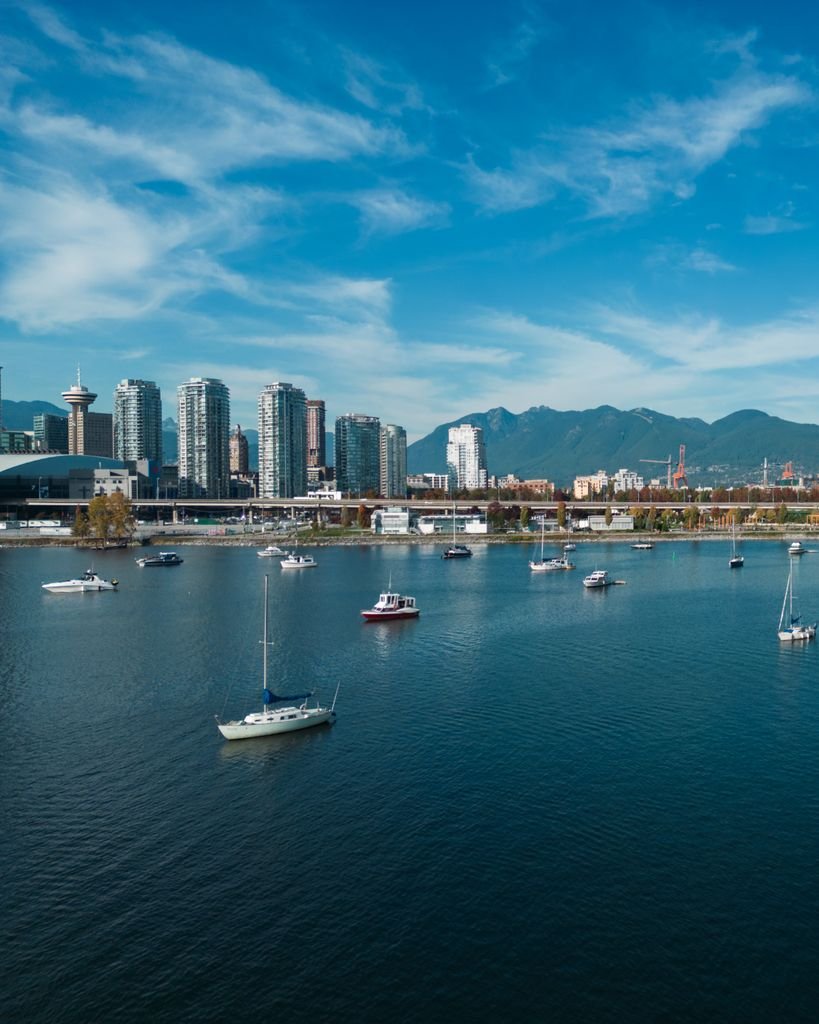
- Vancouver has one of the mildest climates in Canada, rarely seeing snow at sea level.
- Some parts of Nunavut average temperatures well below freezing for eight months of the year.
Food and Drink
- Poutine, made of fries, cheese curds, and gravy, originated in Quebec in the 1950s.
- Nanaimo bars, a no-bake dessert bar, were named after the city of Nanaimo, British Columbia.
- The Caesar, made with Clamato juice, is considered Canada’s national cocktail and was invented in Calgary in 1969.
- Canada produces the vast majority of the world’s maple syrup, with Quebec leading production.
- Ice wine, a dessert wine made from frozen grapes, is a specialty of Ontario and British Columbia.
- Peanut butter was first commercially developed in Montreal in the late 1800s.
- Butter tarts are considered a distinctly Canadian dessert, with roots tracing back to Ontario.
- Canadians famously call macaroni and cheese “Kraft Dinner,” and it’s a pantry staple across the country.
- Ketchup chips are a beloved, uniquely Canadian potato chip flavour.
- The BeaverTail, a fried dough pastry, is a popular treat especially around Ottawa’s Rideau Canal in winter.
- Canada is home to some of the world’s most recognizable coffee and doughnut chains, with Tim Hortons leading the pack.
- Yukon Gold potatoes were developed in Guelph, Ontario.
- Canola oil was developed in Canada and gets its name from “Canada” plus “ola.”
- Ginger beef, a popular Chinese-Canadian dish, is closely associated with Calgary.
- Split pea soup and tourtière are traditional dishes with deep roots in Quebec’s culinary history.
- Wine is produced in several provinces, including Ontario’s Niagara region, British Columbia’s Okanagan Valley, Quebec, and Nova Scotia.
- Montreal-style bagels, boiled in honey water and baked in wood-fired ovens, are distinct from New York style.
- Saskatoon berries, native to the Prairies, are used in pies and jams unique to the region.
- Canadian whisky has its own legally protected category, distinct from Scotch or bourbon.
- Donair, a Halifax invention inspired by shawarma and gyro, has its own devoted following in Atlantic Canada.

Culture, Identity, and Language
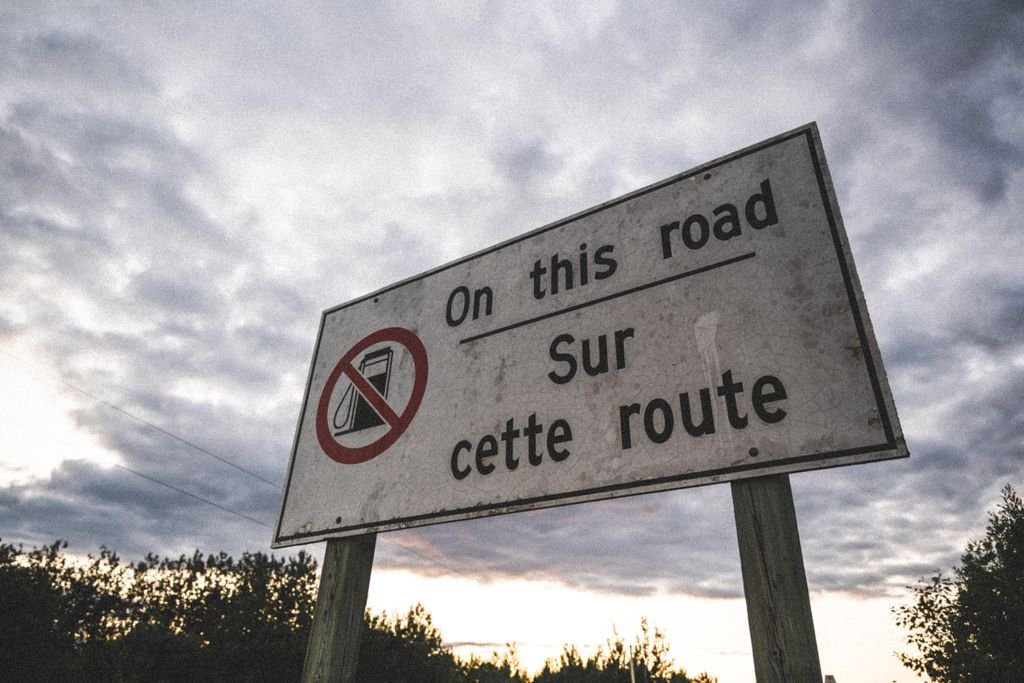
- Canada has two official languages: English and French.
- Almost half of Canada’s population was born outside the country or has at least one parent who was.
- The word “eh” is recognized as a legitimate Canadian expression, even appearing in dictionaries of Canadian English.
- Canada uses a mix of metric and imperial measurements, so many Canadians measure distance in kilometres but height in feet.
- “O Canada” became the country’s official national anthem in 1980, more than a century after Confederation.
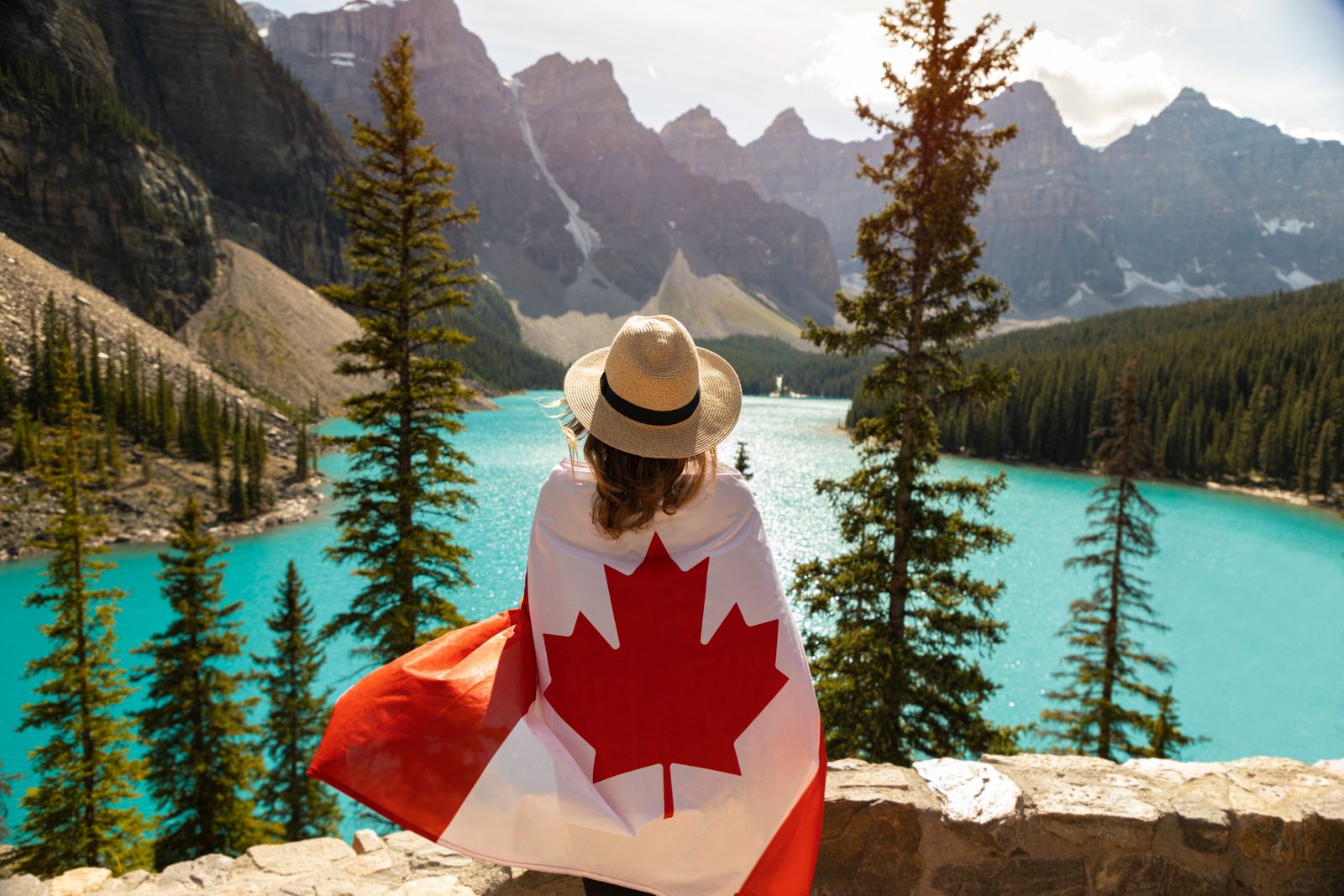
- The national flag features an 11-pointed red maple leaf on a white background.
- Canada was the second country in the world to legalize cannabis nationwide, in 2017.
- Multiculturalism has been official federal policy in Canada since 1971.
- Canada welcomes hundreds of thousands of new permanent residents every year, making immigration a defining part of its identity.
- The Toronto Caribbean Carnival and the Calgary Stampede are among the most attended cultural festivals in the country.
- Indigenous peoples, including First Nations, Métis, and Inuit communities, have lived on this land for thousands of years before Confederation.
- Canada officially recognizes Indigenous, English, and French as foundational pillars of its cultural fabric.
- September 30 is marked annually as the National Day for Truth and Reconciliation.
- Canada’s citizenship oath and ceremony are an important rite of passage for new Canadians completing the immigration journey.
- Many Canadian cities host their own distinct winter festivals, from Winterlude in Ottawa to the Quebec Winter Carnival.
Famous Canadians
- Actor and comedian Jim Carrey got his start performing in Ontario clubs before breaking into Hollywood.
- Wayne Gretzky, widely considered the greatest hockey player of all time, was born in Brantford, Ontario.
- Celine Dion, one of the best-selling music artists in history, hails from Charlemagne, Quebec.
- Margaret Atwood, author of “The Handmaid’s Tale,” is one of Canada’s most celebrated literary voices.
- Terry Fox’s Marathon of Hope, an attempt to run across Canada on one leg to raise money for cancer research, remains one of the country’s most inspiring stories.
- Astronaut Chris Hadfield became widely known for his work aboard the International Space Station and for popularizing space exploration through social media.
- Drake, one of the best-selling recording artists of the streaming era, is from Toronto.
- Lucy Maud Montgomery, author of “Anne of Green Gables,” set her famous novel in Prince Edward Island.
- Frederick Banting, working at the University of Toronto, helped discover insulin in the early 1920s.
- Basketball was invented by Canadian physical educator James Naismith in 1891.
Inventions and Innovations
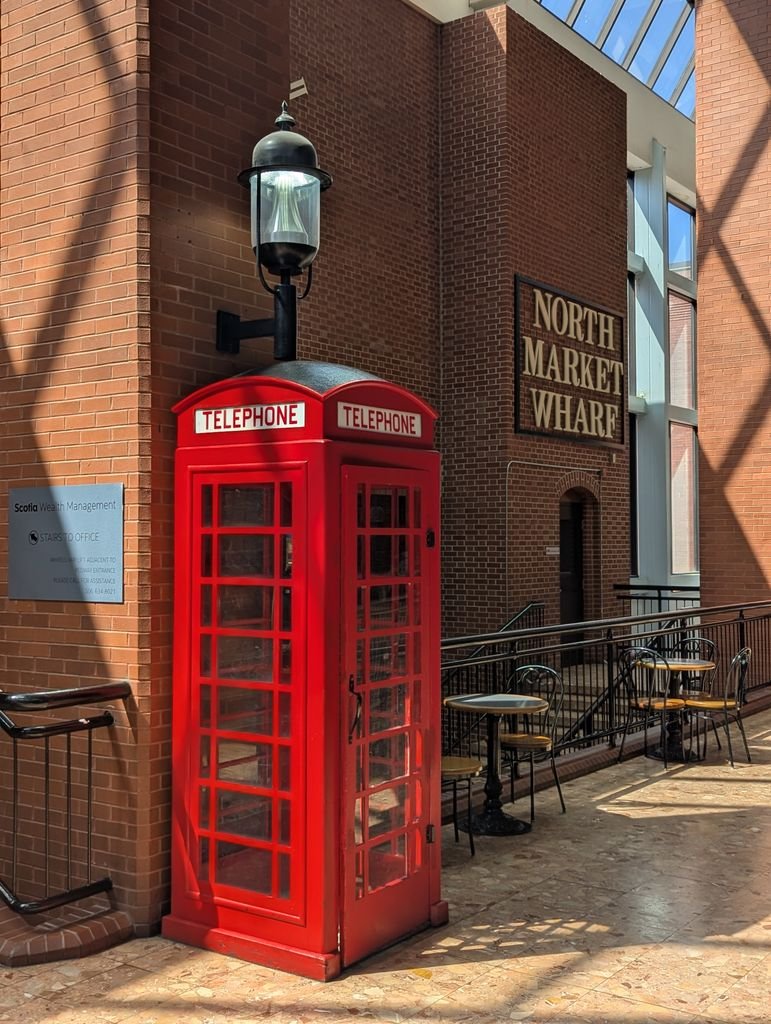
- The telephone is closely associated with Alexander Graham Bell, who did much of his work at his home in Nova Scotia and workshop in Ontario.
- The snowmobile was invented by Joseph-Armand Bombardier, a Quebec mechanic.
- Basketball, insulin, the electric wheelchair, and the pacemaker all trace their roots back to Canadian inventors or researchers.
- Trivial Pursuit, one of the best-selling board games in history, was created by two Canadian journalists.
- IMAX film technology was developed by a group of Canadian filmmakers in the late 1960s.
- The Canadarm, a robotic arm developed for NASA’s Space Shuttle program, became one of Canada’s signature contributions to space exploration.
- Superman co-creator Joe Shuster was Canadian, and Metropolis is widely believed to be modelled on Toronto.
- Canadian researchers James Till and Ernest McCulloch are credited with discovering stem cells.
- Standard time zones, still used around the world today, were proposed by Canadian engineer Sandford Fleming.
- Canada is a major hub for artificial intelligence research, with deep learning pioneers based out of Toronto and Montreal.
Sports
- Hockey is widely regarded as Canada’s national winter sport, while lacrosse holds that title in summer.
- Canada has hosted the Olympic Games three times: Montreal in 1976, Calgary in 1988, and Vancouver in 2010.
- The first organized indoor hockey game took place in Montreal in 1875.
- Basketball’s inventor, James Naismith, was Canadian, even though the sport’s first official game was played in the United States.
- Curling has deep roots in Canada and remains one of the most widely played winter sports across the country.
- The Grey Cup, awarded to the Canadian Football League champion, is one of the oldest professional sports trophies in North America.
- Canada’s national women’s hockey team is consistently ranked among the best in the world.
- Golf has a long history in Canada, with the Royal Montreal Golf Club being one of the oldest golf clubs in North America.
- Terry Fox and Rick Hansen both became national symbols of perseverance through their athletic feats for cancer and spinal cord injury research.
- Ringette, a fast-paced ice sport, was actually invented in Canada, in North Bay, Ontario, in 1963.

Wildlife and Nature
- Roughly half of the world’s polar bear population lives in and around Nunavut.
- Churchill, Manitoba, is known as the polar bear capital of the world thanks to its annual migration.
- Churchill is also home to one of the largest beluga whale migrations on the planet.
- The Canadian beaver is the country’s official national animal and appears on the nickel.
- Canada is home to hundreds of bird species, with birdwatching a popular activity from coast to coast.
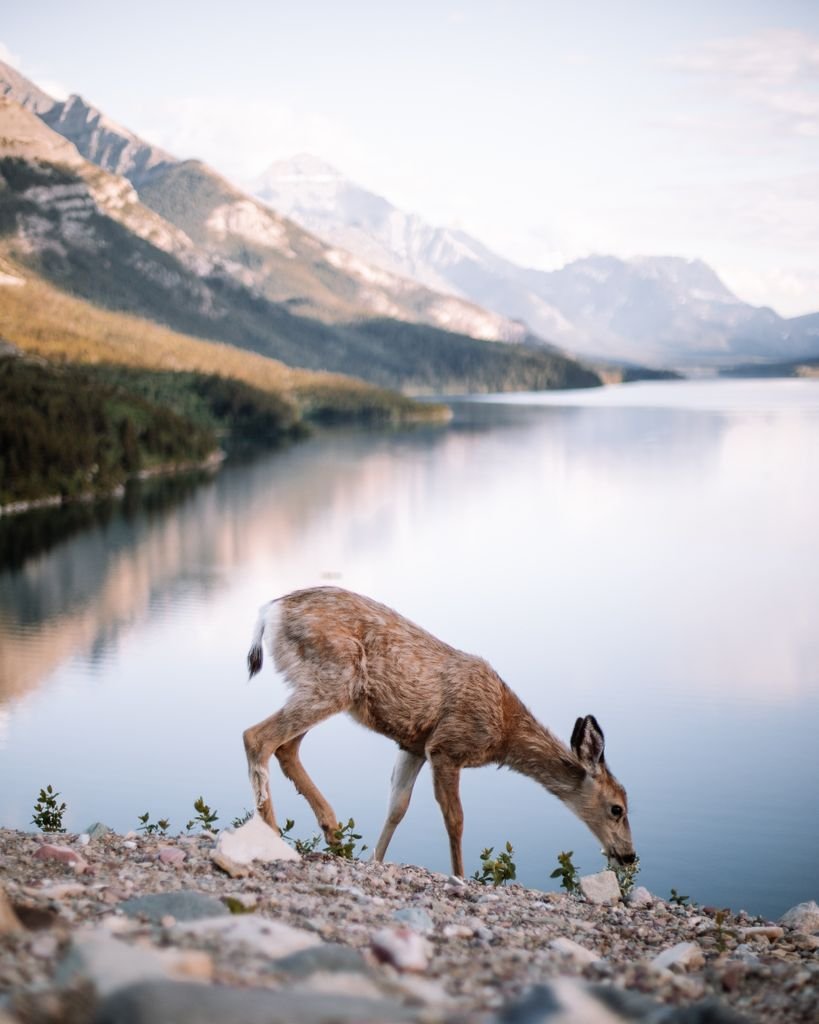
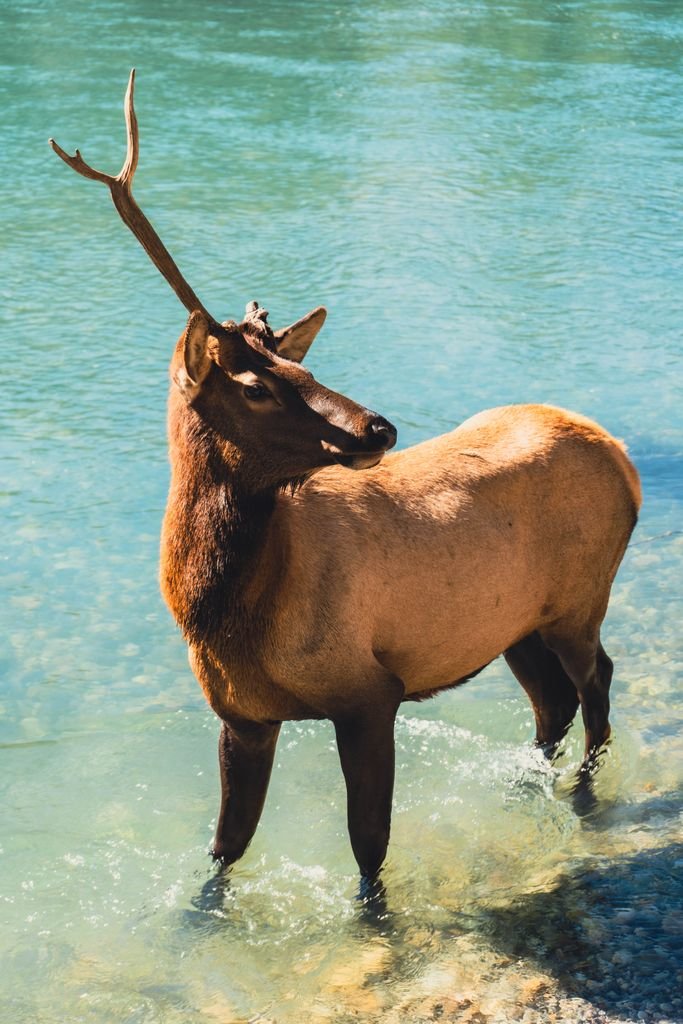
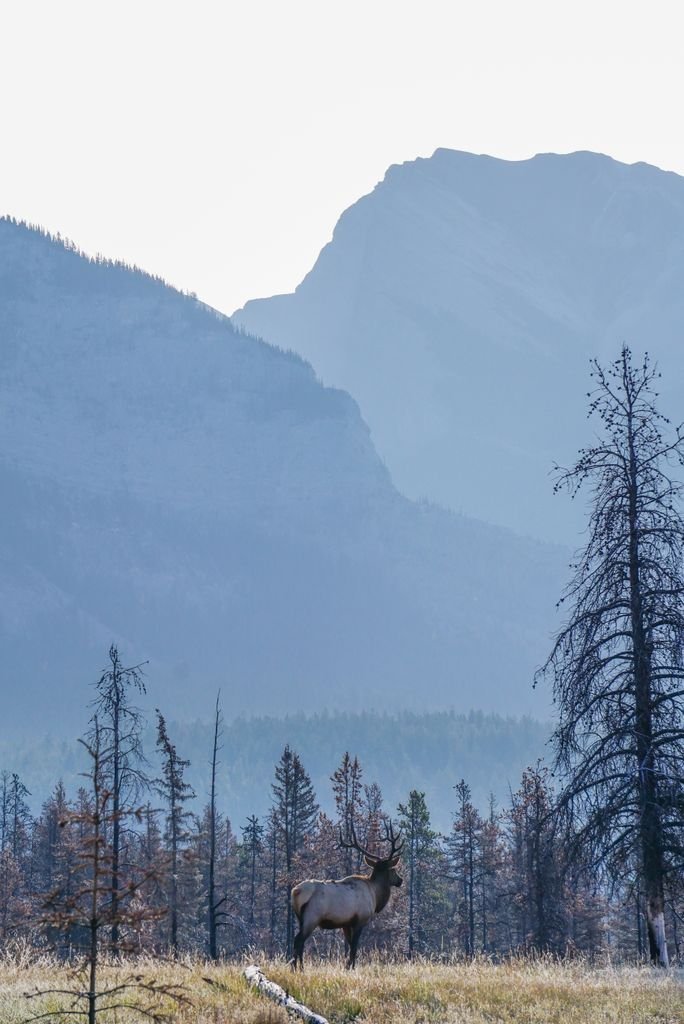
- Nearly 200 species of mammals call Canada home, from grizzly bears to Arctic foxes.
- Canada geese are so common in Canadian cities that many people consider them more of a nuisance than a novelty.
- The Narcisse Snake Dens in Manitoba host one of the largest gatherings of garter snakes anywhere in the world each spring.
- Caribou herds in the north can number in the hundreds of thousands during migration season.
- Orcas, humpback whales, and grey whales are frequently spotted off the coast of British Columbia.
Fun and Unusual Facts
- Letters addressed to Santa Claus at “North Pole, H0H 0H0, Canada” receive a reply, thanks to a long-running Canada Post program.
- Canada has an ongoing, good-natured territorial dispute with Denmark over Hans Island in the Arctic, sometimes settled with a bottle of whisky or schnapps.
- A crater on Mars was named after Gander, Newfoundland, in recognition of the town’s role in aviation and space research.
- In 2012, thousands of barrels of maple syrup were stolen from a storage facility in Quebec in what’s now known as the Great Canadian Maple Syrup Heist.
- Canada has more doughnut shops per capita than any other country in the world.
- The town of Churchill, Manitoba, encourages residents to leave their car doors unlocked in case someone needs to escape a polar bear.
- Some Canadian license plates, particularly in Nunavut, are shaped like polar bears.
- Canadians are known internationally for saying “sorry” often, even when it isn’t their fault.
- The Hudson’s Bay Company, founded in 1670, is one of the oldest continuously operating companies in the world.
- Canada’s national anthem exists in both English and French versions, and they aren’t direct translations of each other.
- Nova Scotia’s name literally translates to “New Scotland” in Latin.
- Canada is home to more than 48 national parks and reserves, some larger than entire countries.
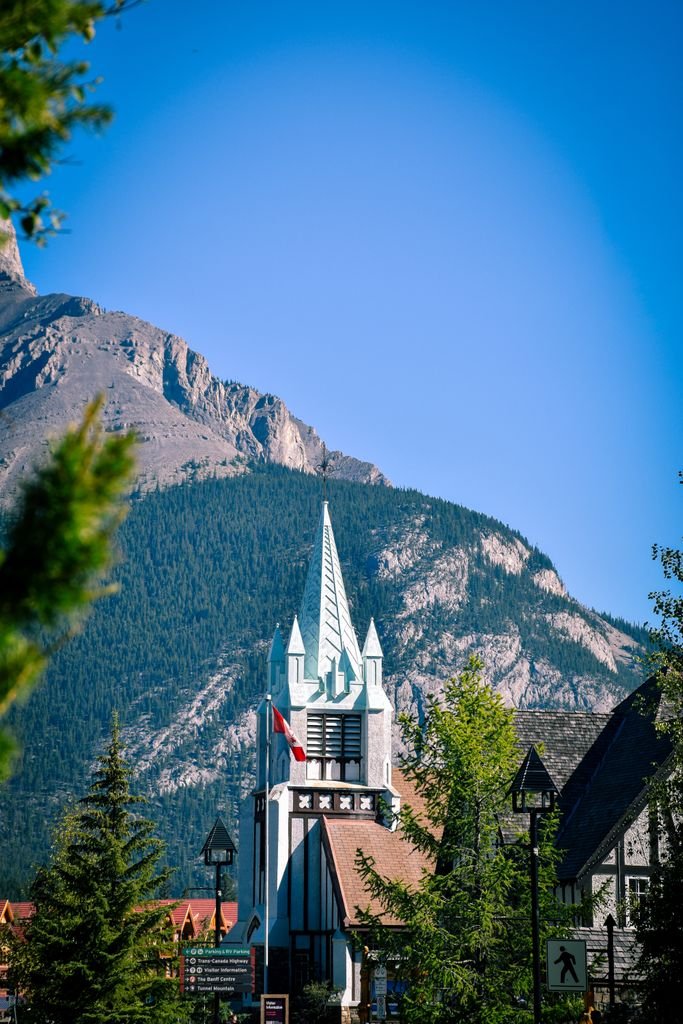
- Banff National Park, established in 1885, was Canada’s first national park and one of the earliest in the world.
- Canada issues a special coin or stamp series almost every year to mark national milestones, and 2027’s 160th anniversary is expected to bring its own commemorative releases.
- From Confederation in 1867 to today, Canada has grown from four provinces to a country of ten provinces, three territories, and over 41 million people, a milestone worth celebrating as the 160th birthday approaches.